Building apps for Bangladesh in 2026: Android-first, offline-first
59.2% of Bangladeshis now use the internet, mostly on Android. What the 2026 numbers mean for app builders: offline-first, light apps and real Bangla.

4 min read

Most app development advice online is written for users in San Francisco or London: the latest iPhone, fast unlimited 5G, plenty of storage.
That's not who most of my users are. I build apps in Bangladesh, for people in Bangladesh, and the rules are a little different here. New numbers from this year show both how big the opportunity is and what we need to design for.
The numbers, in plain words
From the Bangladesh Bureau of Statistics (BBS) ICT survey for April–June 2026:
- 59.2% of people aged five and above use the internet, up from 55% a year earlier.
- 89.6% use a mobile phone.
- 75.1% use a smartphone.
- But only 65.6% own a mobile phone. Many people use a phone that belongs to someone else in the family.
And from BTRC, the telecom regulator, for August 2026:
- 137.66 million internet subscriptions, up from 128.99 million in January.
- 122.26 million of those are mobile internet subscriptions.
- 4G subscriptions have grown to 122.71 million, while 3G keeps shrinking.
The Financial Express noted something important: growth this year comes mainly from existing users using more data, not new SIM cards, as the market recovers from the internet disruptions of 2024 and 2025.
In short: people are online, on their phones, more than ever. Now let's build for how they actually use them.
1. Android first
Most phones in Bangladesh run Android. One StatCounter-based estimate puts Android at around 91% of mobile use here. That doesn't mean ignore iPhone forever, but if you have to choose where to launch, launch on Android.
And not just Android: budget Android. Test on a phone with 3–4 GB of RAM and an older processor, not only on a flagship or the emulator.
2. Offline first
Even with 4G growing, connections drop. On a bus between districts, in a village, inside a building, or when the data pack runs out at the end of the month.
So design every important screen to work without internet, or at least to fail gracefully:
- Cache what users read. My প্রশ্নব্যাংক question bank and my two Bengali ebook apps work completely offline. Students and readers don't need a data pack to use them.
- Queue what users write. Save actions locally and sync them when the connection returns.
- Show clear states. "You're offline, we'll send this when you're back" beats a spinner that never ends.
3. Light apps win
Storage is tight on budget phones, and many users delete apps to make room for photos and videos.
- Keep your APK small. Use Android App Bundles so users only download what their phone needs.
- Compress images, and prefer WebP.
- Avoid adding a heavy library for one small feature.
- Keep data use low: don't auto-play videos or preload images users may never see.
A small app gets installed more, uninstalled less, and updated more often.
4. Bangla first, really
"Bangla support" means more than translating the strings:
- Use a proper Bangla font and test how it renders. Joined letters (যুক্তবর্ণ) break in surprising ways.
- Use Bangla numerals where users expect them: dates, prices, roll numbers.
- Search should work in Bangla. Users will type নিউটন, not "Newton".
- Write like people talk. Simple, friendly Bangla beats formal, government-style wording.
5. Design for shared phones
Remember that ownership gap: many people use a phone that belongs to a parent, a sibling or a spouse. That affects design:
- Make logging out easy, and don't keep sensitive data visible on the home screen.
- Consider a PIN or app lock for anything private, like payments, messages or health data.
- Don't assume one phone equals one person.
6. Payments people already trust
People already pay with mobile wallets and bank apps every day. If your app takes payments, support the methods people already use, and always handle the "payment done, but the app didn't hear back" case. On slow networks, it happens more often than you'd think.
7. Plan for installs outside the Play Store
Not every app reaches people through the Play Store. Plenty of apps, including mine, are shared as APK files. Google is rolling out developer verification for Android apps, which started in a few countries in September 2026, with a global rollout planned for 2027. If you share APKs outside the Play Store, as I do on GitHub, keep an eye on this. Getting verified early will help your users keep installing your apps smoothly.
The opportunity
Two out of every five people aged five and above still aren't online. As they join, often on their first smartphone, they'll judge apps by simple things: does it work on my phone, does it work without data, and does it speak my language?
Build for that, and you're not just building for Bangladesh. You're building for the next billion users everywhere who look a lot like ours.
Keep reading
All posts
Does your business still need a mobile app in 2026? An honest answer
Mobile website or mobile app? A simple, honest way for small business owners to decide in 2026, with real numbers and a decision flow.
3 min read
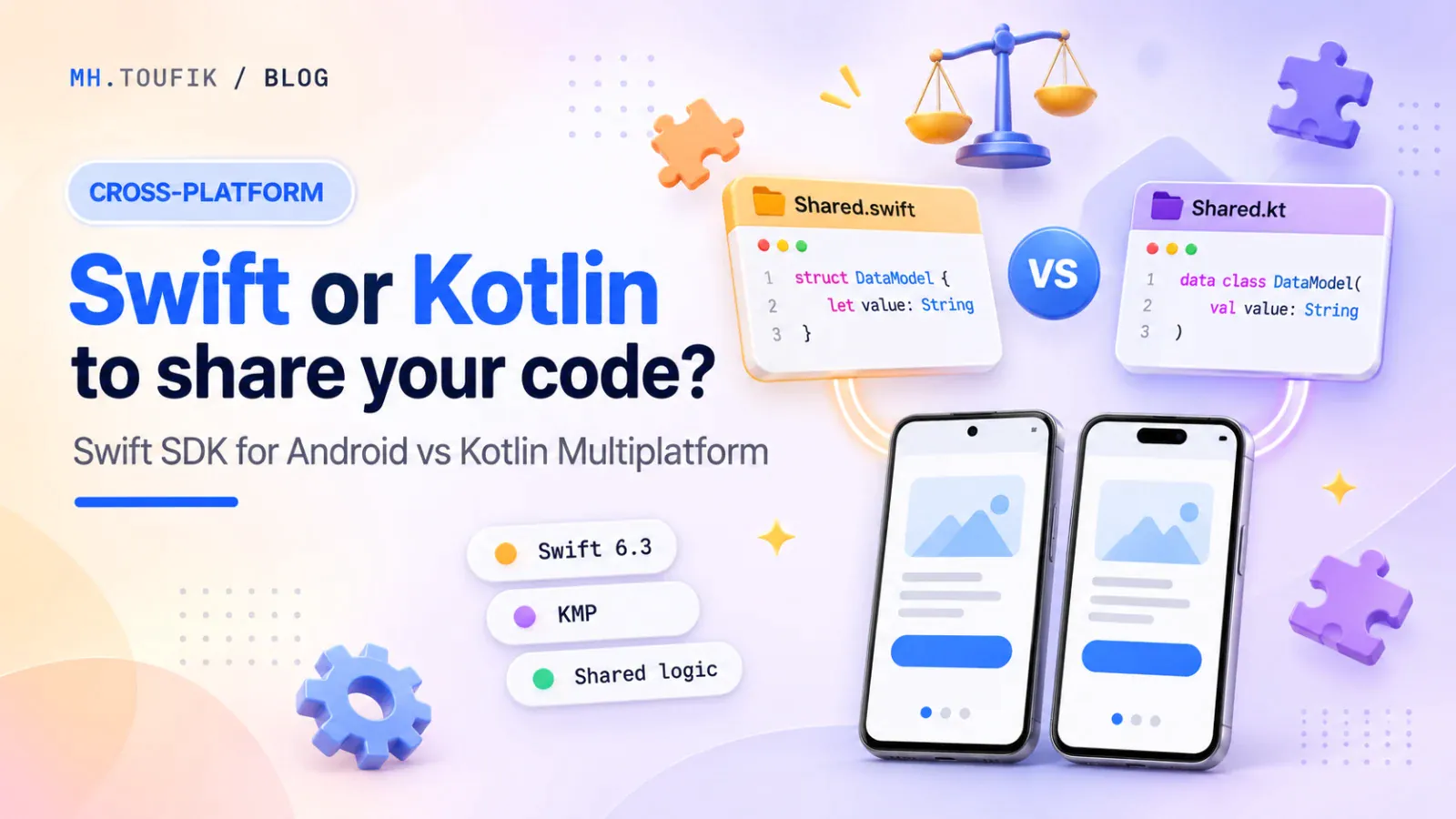
Swift on Android vs Kotlin Multiplatform: which one should share your code?
Swift 6.3 brought an official Swift SDK for Android. How it compares with Kotlin Multiplatform, and how to choose which one shares your app's code.
3 min read
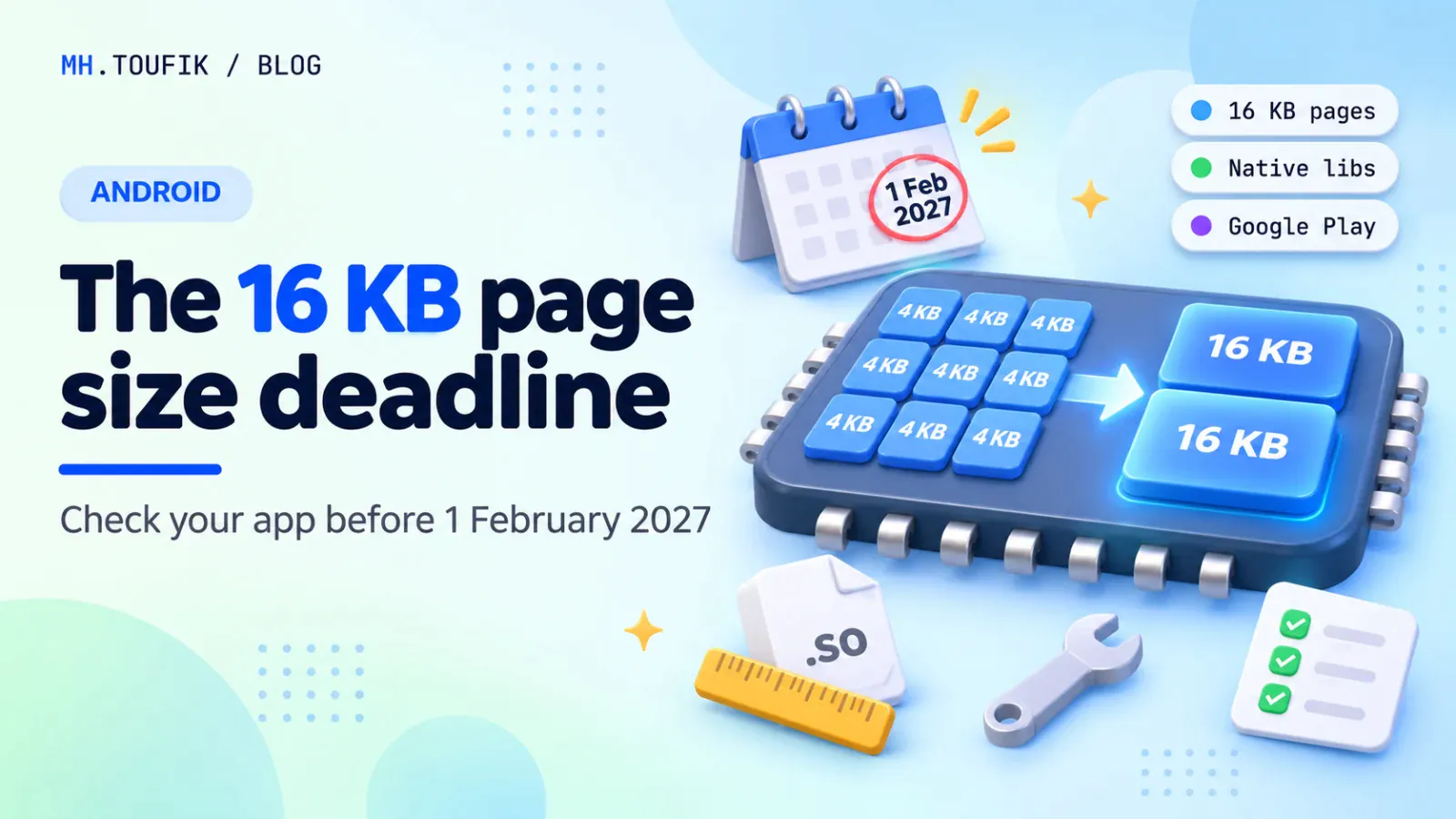
Google Play's 16 KB page size deadline: how to check your app before 1 February 2027
From 1 February 2027, Google Play blocks updates that don't support 16 KB page sizes. Here's how to check your app in ten minutes and fix it.
6 min read
Comments
No comments yet — start the conversation.